
Effective September 15, 2026, Circular No. 85/2026/TT-BTC officially takes effect, introducing regulations on the classification and analysis of imported and exported goods. Importers and exporters should review their current practices to minimize risks during customs declaration and clearance.
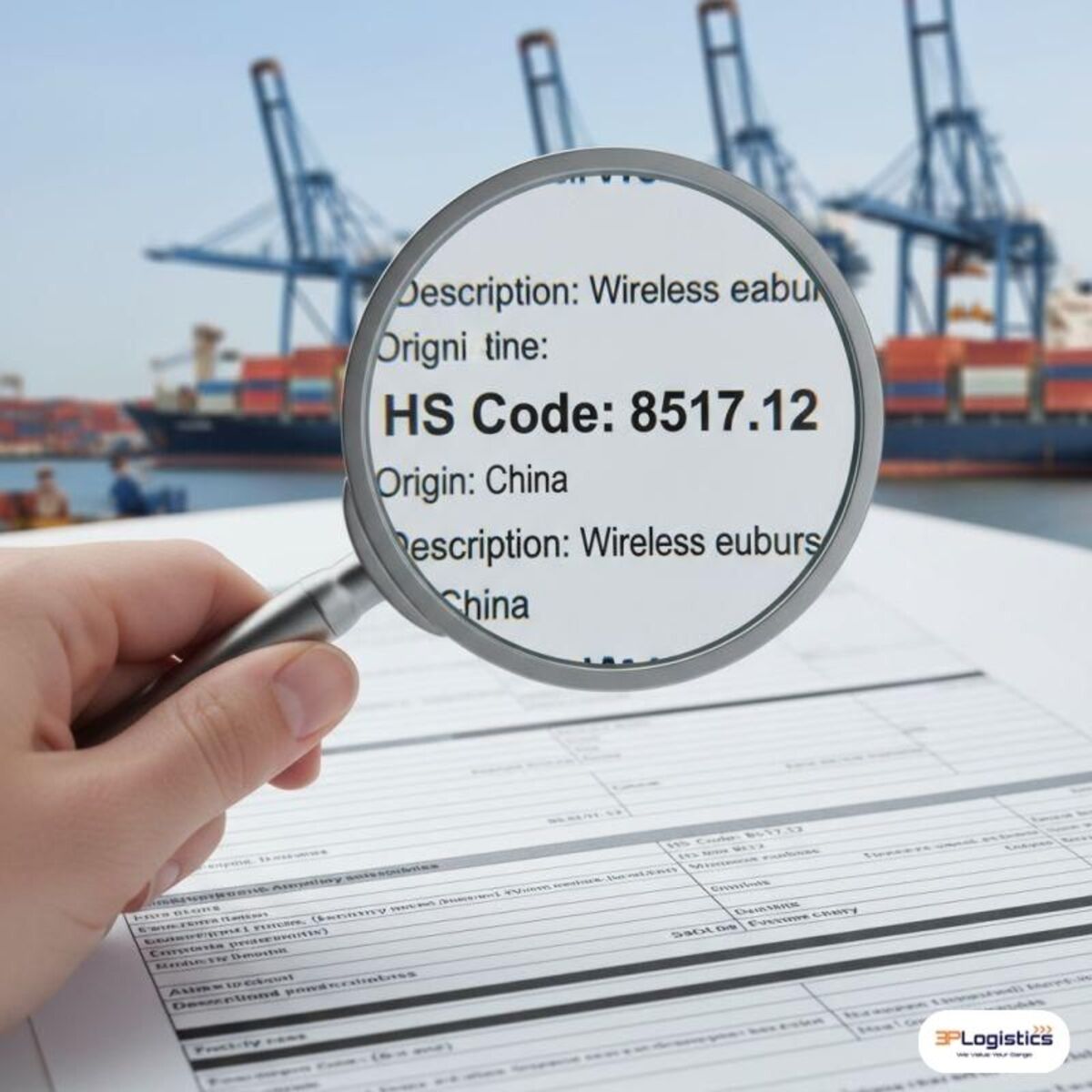
HS Codes – A Key Point for Import-Export Compliance
HS (Harmonized System) codes are used to determine applicable import/export duties, goods management policies, and specialized inspection requirements.
Under the new regulations, goods must be classified according to their actual characteristics. Businesses should not rely solely on commercial product names or HS codes previously used for similar products.
Factors such as composition, materials, structure, intended use, and technical specifications should be properly reviewed when determining the appropriate HS code.
What Should Importers and Exporters Do?
To ensure smoother import-export operations, businesses should:
- Review HS codes currently used for frequently imported or exported products.
- Ensure consistent and accurate product descriptions across invoices, packing lists, and technical documents.
- Prepare product catalogues, specifications, composition details, and product images when necessary.
- Consider professional analysis or inspection for goods with complex characteristics or classification requirements.
Accurate HS code classification from the beginning can help businesses reduce potential risks related to customs duties, import-export policies, and customs clearance.
With experience in logistics and international trade, 3P Logistics supports businesses with documentation and logistics-related procedures, helping streamline transportation and customs clearance processes.