

Market Context:
Against the backdrop of volatile global energy costs and inflationary pressures weighing heavily on supply chains, the U.S. government has made a strategic decision. Specifically, regulations governing the transit of goods between domestic seaports will be temporarily relaxed for a 60-day period. This move aims to optimize seaport infrastructure efficiency and lower fuel prices by reducing overall logistics costs.
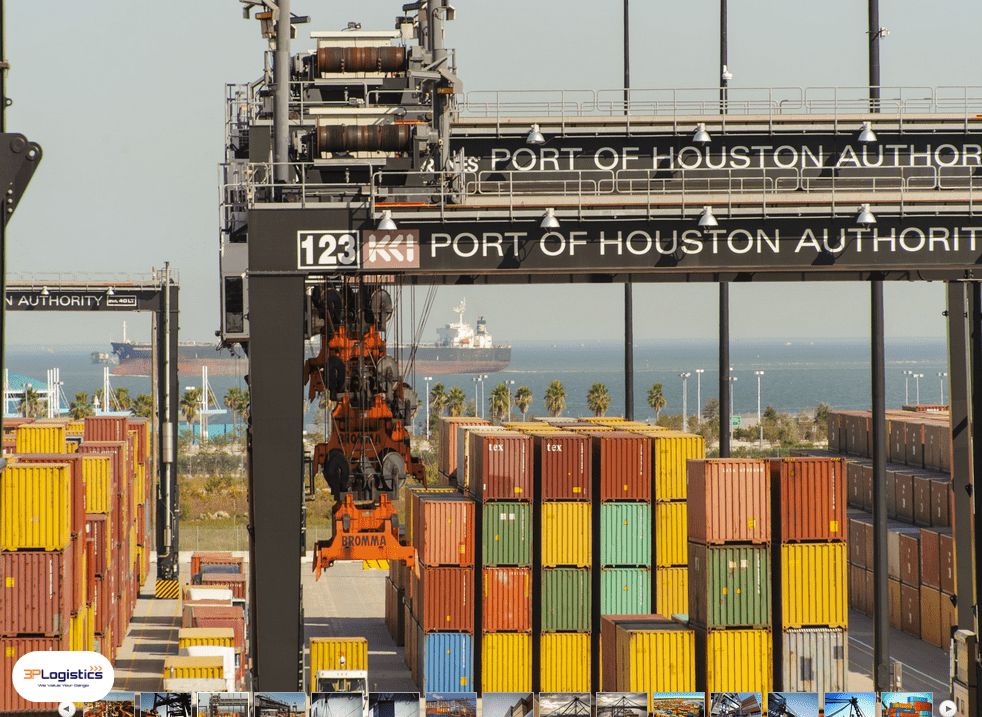
Policy Details:
The new regulation allows shipping vessels greater flexibility in moving and forwarding cargo between U.S. ports without facing the stringent administrative barriers previously in place.
- Effective Duration: The policy takes immediate effect and will last for the next 60 days.
- Scope of Impact: International shipping lines, sea freight operators, and import-export businesses with routes passing through or docking at U.S. ports.
Key Impacts on the Shipping Industry:
- Supply Chain Optimization and Congestion Relief: Relaxing procedures helps clear cargo backlogs at major trade gateways. Vessels can proactively reroute or transship cargo to nearby ports without being bound by old transit rules, ensuring a faster flow of goods.
- Fuel and Surcharge Savings: As shipping routes are optimized, vessel anchorage time is reduced, directly lowering fuel consumption. This is expected to help carriers adjust or stabilize fuel surcharges, which have been at record highs.
- Enhanced Schedule Reliability: Improved access to seaports allows logistics providers and shipping lines to maintain more stable schedules, minimizing delays that could cause a domino effect throughout the global supply chain.
This regulatory shift in the United States is a positive signal that governments are taking action to support the logistics industry. Businesses should stay updated on these changes to adjust their sea freight plans for maximum efficiency.