

In recent months, unstable vessel schedules have become increasingly common across global shipping routes. The rise of blank sailings—when carriers cancel or skip port calls as part of capacity adjustment—has introduced new challenges for logistics operations and supply chain management. Although these adjustments help carriers balance supply and demand, they create noticeable disruptions for businesses relying on predictable shipping schedules.
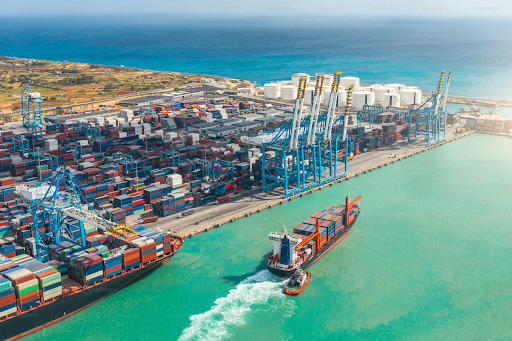
Blank sailings often lead to cargo rollover, extended transit times, and disruptions to delivery and distribution plans. These delays can also affect inventory management and result in additional costs such as storage, demurrage, or container detention. For companies with time-sensitive supply chains, such instability can significantly impact operational efficiency and customer commitments.
In this context, prioritizing reliable vessel schedules is becoming more important than focusing solely on low freight rates. The indirect costs caused by delays or schedule changes frequently exceed the initial savings from cheaper rates, making schedule stability a key factor in transport planning.
To mitigate risks, businesses should adopt a proactive response strategy, including:
- Diversifying transportation options and maintaining flexibility in shipping plans.
- Optimizing inventory levels to better withstand schedule fluctuations.
- Enhancing communication with logistics partners to receive early updates on schedule changes.
- Periodically assessing carrier schedule reliability for informed service selection.
Early preparation helps businesses maintain cargo flow stability, minimize disruptions, and strengthen resilience amid ongoing volatility in global vessel schedules.