
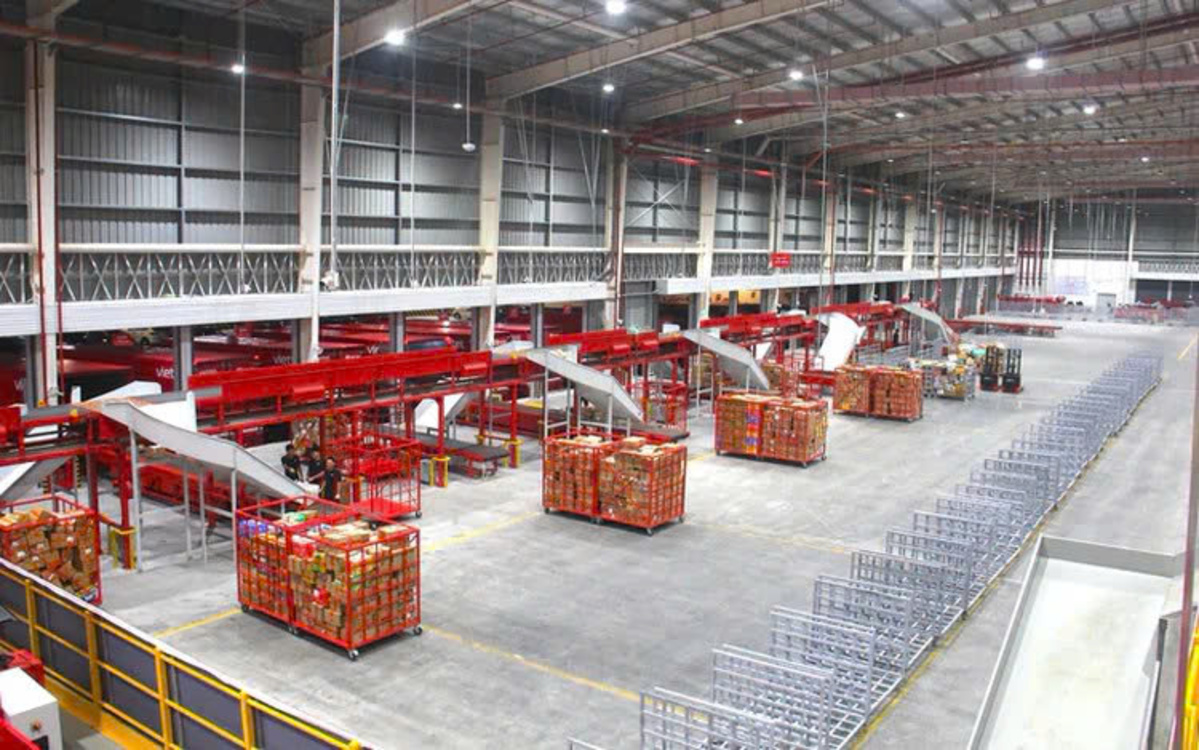
Da Nang, Vietnam – November 2026 – Viettel Post has officially inaugurated the Viettel Da Nang Logistics Center at Lien Chieu Industrial Park, marking a significant development in the modernization of logistics infrastructure in Central Vietnam. Spanning more than 8.6 hectares, the facility is designed to serve as a regional logistics hub connecting cargo flows across Central Vietnam and the Central Highlands with domestic and international markets.
The project reflects Vietnam's growing focus on developing integrated logistics infrastructure, improving transportation efficiency, and strengthening regional supply chain connectivity.
A Strategic Logistics Hub Connecting Central Vietnam with Global Markets
Located in Lien Chieu Industrial Park, the Viettel Da Nang Logistics Center benefits from its strategic position near major transportation networks. The facility is approximately 1 km from Lien Chieu Port and connects with National Highway 1A, Tien Sa Port, and Da Nang International Airport.
With these transportation advantages, the center is expected to play an important role in consolidating cargo from regional production areas, including goods transported from Laos through the Lao Bao border gate, before onward distribution through seaports and other transportation networks.
The facility also supports the movement of goods along Vietnam's North-South transport corridor, allowing cargo to be sorted and transferred directly in Da Nang. According to Viettel Post, this arrangement could reduce transportation time by up to six hours.
With a warehouse and supporting infrastructure covering approximately 39,300 square meters, the center is designed to strengthen Da Nang's position as a logistics gateway for Central Vietnam and the Central Highlands.
Automation and Digitalization Transforming Logistics Operations
One of the key highlights of the new facility is its integration of advanced technologies into warehouse and logistics operations.
The center incorporates Automated Guided Vehicles (AGVs), automatic sorting systems, and digital management platforms to streamline cargo handling and improve operational productivity.
According to information reported by Tuoi Tre, these technologies help reduce order processing time by approximately 33% compared with conventional operations.
The facility integrates seven major functional areas across the logistics value chain, including:
-
Warehousing and storage management.
-
Order fulfillment and cargo handling.
-
Cargo consolidation and multimodal transport coordination.
-
Import-export logistics and customs connectivity.
-
Value-added logistics services.
-
E-commerce logistics.
-
Digital operations management.
This integrated operating model enables businesses to access multiple logistics services through a single provider, reducing the need to independently invest in warehouse facilities, operational personnel, and management systems.
Digital connectivity also allows customers to monitor cargo status throughout the logistics process, contributing to greater transparency and more efficient supply chain management.
In addition, the center incorporates solar energy into its operations, reflecting the increasing importance of energy efficiency and sustainable development in modern logistics infrastructure.
Strengthening Da Nang's Role in Regional Economic Development
Da Nang has significant geographical advantages, with access to seaports, an international airport, and the East-West Economic Corridor connecting Vietnam with neighboring markets in Laos and other countries in the region.
However, effective logistics infrastructure is essential to translate these geographical advantages into stronger trade connectivity and economic competitiveness.
The development of the Viettel Da Nang Logistics Center represents another step toward building an integrated logistics ecosystem in the city. By improving cargo consolidation, transportation coordination, warehousing, and distribution capabilities, the facility is expected to support businesses operating across manufacturing, import-export, and commercial sectors.
Beyond its direct operational benefits, the project also highlights the importance of developing regional logistics hubs that connect production centers with domestic consumption markets and international trade routes.
As regional trade continues to expand, efficient logistics networks will become increasingly important in reducing transportation costs, improving delivery performance, and strengthening the resilience of supply chains.
The Future of Logistics in Central Vietnam: Connectivity, Technology and Sustainability
The inauguration of the Viettel Da Nang Logistics Center reflects three important trends shaping the future of Vietnam's logistics industry.
First, integrated logistics infrastructure is becoming increasingly important. Regional logistics hubs can improve cargo consolidation, facilitate multimodal transportation, and create stronger connections between industrial zones, seaports, airports, and border gateways.
Second, automation and digital transformation are reshaping logistics operations. Technologies such as AGVs, automated sorting systems, and digital management platforms are helping logistics operators improve productivity, enhance cargo visibility, and optimize operational processes.
Third, sustainable logistics is gaining greater attention. The integration of renewable energy and more efficient operating systems demonstrates the industry's gradual shift toward reducing resource consumption and improving environmental performance.
For businesses involved in international trade, these developments create new opportunities to optimize transportation strategies, improve supply chain coordination, and access more efficient logistics solutions.
As Da Nang continues to strengthen its logistics infrastructure, the city is expected to play an increasingly important role in connecting Central Vietnam with domestic and international supply chains.
3P Logistics – Supporting Efficient and Connected Supply Chains
At 3P Logistics, we recognize that modern logistics infrastructure, efficient transportation networks, and digital transformation are essential drivers of supply chain competitiveness.
As Vietnam's logistics sector continues to evolve, we remain committed to supporting businesses with flexible logistics solutions, reliable transportation coordination, and professional freight forwarding services.
We believe that stronger regional connectivity and continuous innovation will create new opportunities for businesses to expand their operations and participate more effectively in global trade.