
As trade between Vietnam and the United States continues to evolve, the Seattle–Tacoma port gateway is gaining attention as an important link in trans-Pacific supply chains. Supported by direct ocean shipping services, rail connectivity, port infrastructure investments, and sustainable logistics initiatives, the gateway offers Vietnamese businesses additional options for accessing the U.S. market.
Recent industry discussions hosted by the Vietnam Logistics Business Association (VLA) and the upcoming executive roundtable announced by The Northwest Seaport Alliance (NWSA) highlight the growing importance of port connectivity, supply chain resilience, and logistics efficiency in bilateral trade.
1. Seattle–Tacoma Strengthens Its Role in Vietnam–U.S. Trade
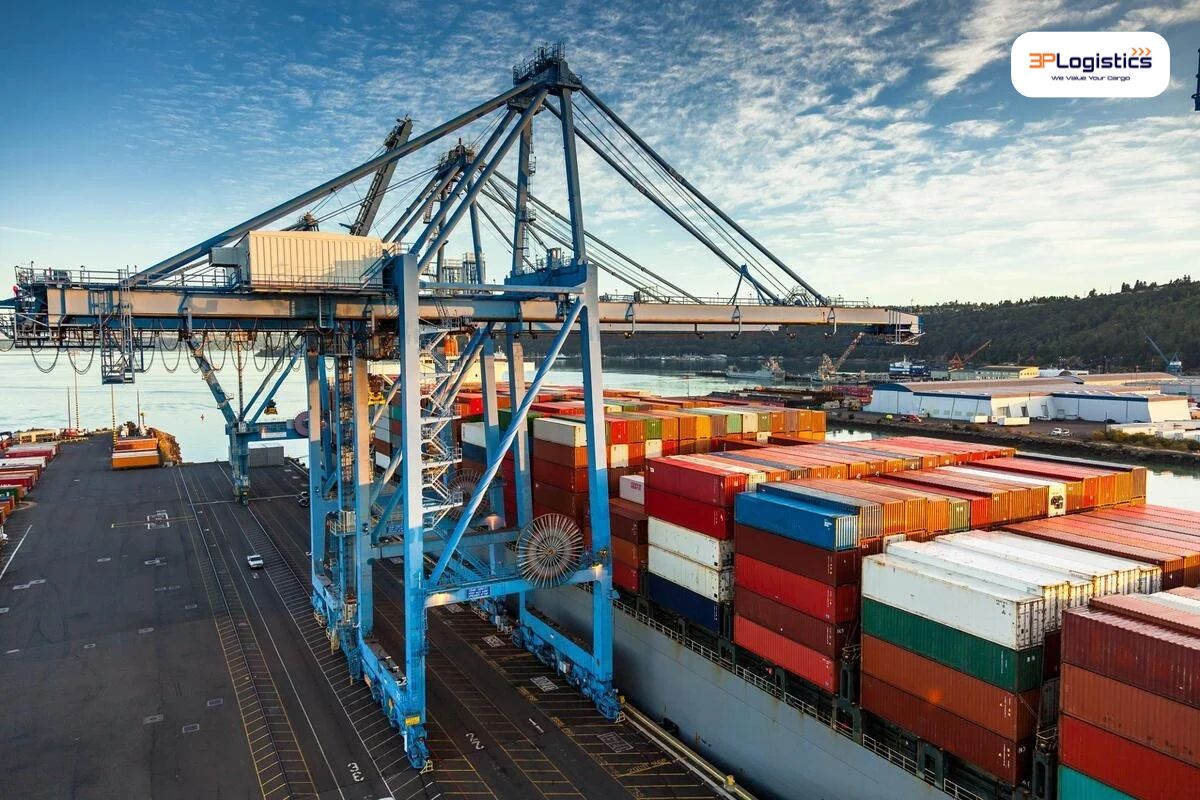
The Northwest Seaport Alliance is the marine cargo operating partnership of the ports of Seattle and Tacoma in Washington State, United States. The gateway connects Asian manufacturing centers with U.S. markets through ocean shipping, intermodal rail, and inland distribution networks.
According to NWSA, more than 90% of its container volumes are connected to Asian markets, including Vietnam, China, Japan, South Korea, Taiwan, and Thailand.
Vietnam is an increasingly important trading partner for the gateway. At the “Think Shipping: Think Seattle–Tacoma” seminar held on April 25, industry representatives discussed Vietnam’s growing export activity and the strategic role of Seattle–Tacoma in supporting trade between the two markets.
Vietnamese exports to the United States include furniture, textiles, footwear, machinery, and electronic components. Meanwhile, imports from the United States include agricultural products, dairy products, and materials supporting industrial production and recycling.
This two-way trade creates opportunities for logistics providers to support a wider range of cargo movements and supply chain requirements.
2. Direct Shipping Services and Inland Connectivity Expand Routing Options
Ocean freight remains a critical component of Vietnam–U.S. trade. The Seattle–Tacoma gateway is served by shipping services connecting Vietnamese ports with the U.S. Pacific Northwest.
VLA has highlighted three services connecting Vietnam with Seattle and Tacoma:
- MSC Chinook: Vung Tau – Hai Phong – Seattle.
- Premier Alliance: Cai Mep – Hai Phong – Tacoma.
- UWL Sun Chief Express: Hai Phong – Ho Chi Minh City – Seattle – Hai Phong.
Service rotations and port calls may change over time, so shippers should confirm current schedules, routing, transit times, and available capacity with their logistics providers or carriers.
Beyond ocean transportation, the gateway offers direct on-dock rail connections through BNSF Railway and Union Pacific Railroad. These connections support the movement of containers from marine terminals to inland distribution centers and major consumption markets, including Chicago, Memphis, and Columbus.
For Vietnamese exporters, the combination of ocean freight and inland rail can be an important consideration when serving customers beyond the U.S. West Coast.
3. Infrastructure Investment Supports Port Capabilities
Continued investment in port infrastructure is another factor shaping the competitiveness of the Seattle–Tacoma gateway.
According to information published by NWSA, key projects include:
- Terminal 5 in Seattle: Infrastructure investments exceeding US$300 million, including deep-water access, on-dock rail, and container-handling equipment.
- Port of Tacoma navigation improvements: A US$295 million project to deepen Blair Waterway from 51 feet to 57 feet, supporting the future accommodation of larger container vessels.
- Husky Terminal expansion: A US$54 million investment to enhance yard operations and refrigerated container handling capabilities.
These developments reflect the importance of maintaining port infrastructure as vessel sizes, cargo requirements, and international trade patterns evolve.
For cargo owners, enhanced terminal capabilities may provide additional operational flexibility. However, the impact on an individual shipment will depend on actual vessel services, terminal conditions, carrier schedules, and onward transportation arrangements.
4. Multimodal Logistics and Sustainability Become Key Priorities
Efficient supply chains depend on more than port capacity alone. The availability of warehousing, transloading, rail transportation, and trucking also affects how cargo moves from origin to final destination.
NWSA reports that more than 100 dedicated warehousing and transloading facilities operate within 15 miles of its port terminals. This network gives shippers additional options for cargo transfers, storage, and distribution.
Sustainability is another area of development. NWSA has introduced shore power at Terminal 5 and Husky Terminal, enabling compatible vessels to connect to shore-side electricity while berthed. The alliance also supports initiatives to encourage zero-emission container drayage vehicles.
These developments align with wider industry priorities around operational efficiency, environmental performance, and supply chain resilience.
For businesses evaluating logistics routes, the broader combination of ocean freight, inland transportation, cargo handling, and environmental considerations can provide a more complete basis for decision-making.
5. What Vietnamese Importers and Exporters Should Consider
The development of the Seattle–Tacoma gateway presents opportunities for Vietnamese businesses, but selecting a suitable shipping route requires a shipment-specific assessment.
Evaluate total logistics costs. Compare ocean freight, terminal handling, rail or trucking charges, storage, and final delivery costs rather than focusing solely on the ocean freight rate.
Confirm current shipping schedules. Review sailing frequency, transit times, transshipment requirements, and available capacity before confirming bookings.
Plan inland delivery early. For cargo destined for inland U.S. markets, coordinate rail and trucking arrangements alongside the ocean freight booking.
Consider cargo-specific requirements. Refrigerated goods, oversized cargo, and specialized shipments may require dedicated equipment and additional operational coordination.
Build flexibility into supply chain planning. Trade policies, carrier schedules, port operations, and freight market conditions can change. Comparing alternative routing options and monitoring shipment milestones can help businesses manage operational risks.
Although infrastructure investments and improved connectivity may support supply chain efficiency, they do not automatically guarantee lower freight rates or shorter transit times for every shipment. Businesses should evaluate actual service availability and total transportation costs before making routing decisions.
6. Strengthening Vietnam–U.S. Logistics Cooperation
The importance of Seattle–Tacoma as a trade gateway was also highlighted in NWSA’s announcement of the executive roundtable “Seattle–Tacoma: Where Supply Chains Converge,” scheduled for November 4, 2026, in Ho Chi Minh City.
The planned event is expected to bring together NWSA leadership and invited business representatives to discuss trans-Pacific trade, supply chain resilience, freight efficiency, and opportunities to strengthen commercial connections between Vietnam and the U.S. Pacific Northwest.
Together, these industry discussions underline a broader priority for Vietnamese businesses: building supply chains that are not only cost-effective, but also flexible, well-connected, and responsive to changing market conditions.
As international trade develops, logistics planning should consider the entire transportation chain—from origin handling and ocean freight to port operations, inland distribution, and final delivery.
At 3P Logistics, we provide international logistics solutions, including sea freight, air freight, inland transportation, warehousing, and customs brokerage, to support businesses with their shipping and supply chain requirements.
Contact 3P Logistics to discuss your cargo needs and explore logistics solutions tailored to your international trade operations.