

What Is LCL Shipping?
In international logistics, shipping flexibility is essential for businesses managing different order sizes, delivery schedules, and inventory requirements. Less than Container Load (LCL) is a sea freight solution that allows businesses to ship smaller cargo volumes without booking an entire container.
Unlike Full Container Load (FCL), where one shipment occupies a dedicated container, LCL consolidates cargo from multiple shippers into a shared container. Each shipper pays for the space their cargo occupies rather than the entire container.
This makes LCL an attractive option for small and medium-sized enterprises (SMEs), importers, exporters, and businesses that need to transport smaller quantities of goods across international markets.
However, the real value of LCL goes beyond sharing container space. When managed effectively, it can help businesses improve cost control, maintain inventory flexibility, and explore new markets with greater confidence.
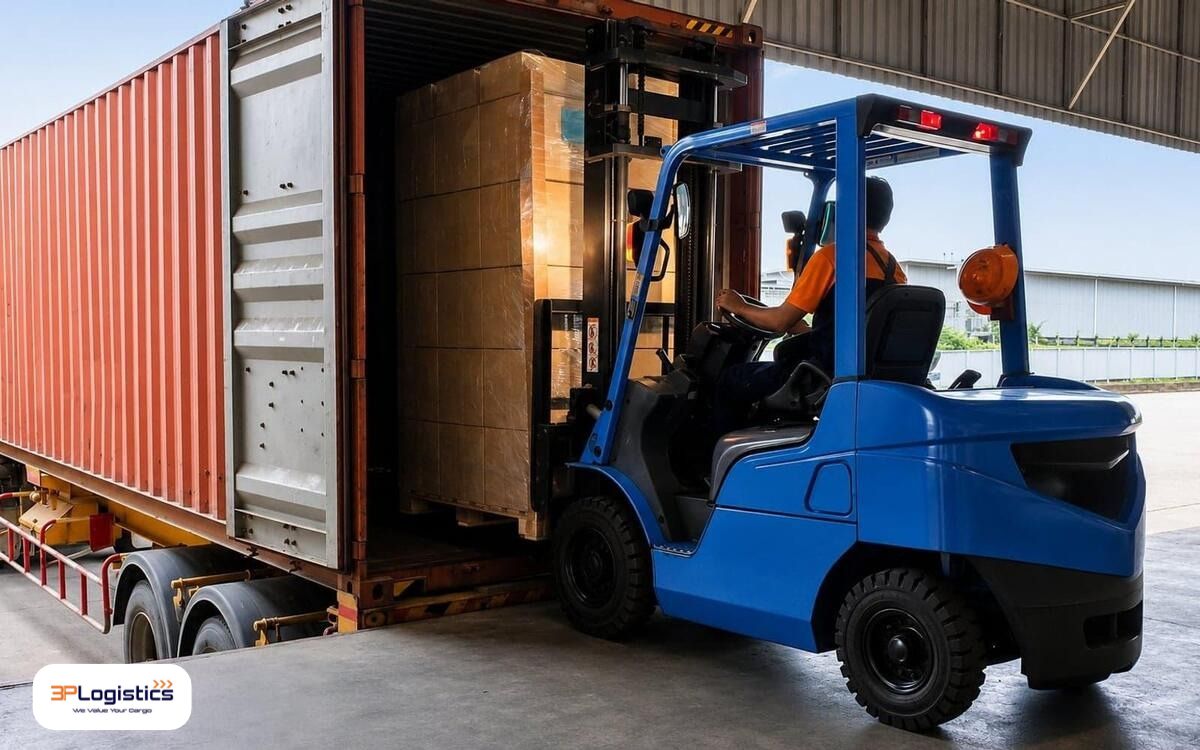
4 Key Benefits of LCL Shipping for Your Business
1. Optimize Freight Costs
For businesses that do not have enough cargo to fill a container, booking an entire FCL shipment may result in paying for unused capacity.
LCL offers a more flexible alternative by allowing freight costs to be allocated according to the shipment's chargeable volume or applicable billing basis.
How this benefits your business:
- Reduce the need to pay for an entire container when shipping smaller volumes.
- Allocate transportation budgets more efficiently.
- Make smaller orders and trial shipments more commercially viable.
- Preserve working capital for other business priorities.
For example, a company exporting a small batch of furniture samples to an overseas buyer may find LCL more suitable than booking a full container. Instead of waiting until enough products are available to fill a container, the company can evaluate an LCL shipment based on its volume, destination, transit time, and total logistics charges.
Important consideration: LCL is not always cheaper than FCL on a per-unit basis. Consolidation fees, origin and destination handling charges, cargo characteristics, and shipment volume can affect the final cost. Comparing the total landed logistics cost is essential before selecting a shipping method.
2. Improve Inventory Flexibility
Large shipments can require businesses to hold more inventory than they immediately need. This may increase storage expenses, tie up working capital, and create additional pressure when demand changes.
With LCL, businesses can consider shipping smaller quantities more frequently instead of waiting to accumulate a full container, depending on the shipping schedule and overall cost.
How this benefits your business:
- Support smaller replenishment orders.
- Reduce the need to accumulate cargo before dispatch.
- Respond more flexibly to changing customer demand.
- Improve coordination between purchasing, production, and distribution.
For businesses importing seasonal products, retail goods, components, or product samples, this flexibility can support more responsive inventory planning.
The key is to balance shipment frequency against freight costs and transit times. A suitable LCL strategy should support the company's inventory objectives rather than simply minimize the size of each shipment.
3. Support Market Expansion and Business Growth
Entering a new international market often requires businesses to test customer demand before committing to large shipment volumes.
LCL can help reduce the initial shipping commitment by allowing companies to transport smaller quantities of products to potential buyers, distributors, or overseas partners.
How this benefits your business:
- Ship product samples and initial commercial orders.
- Test demand in new markets before scaling up.
- Support smaller transactions with international customers.
- Adjust shipping volumes as business opportunities develop.
For example, a Vietnamese manufacturer looking to enter a new overseas market may begin with a smaller LCL shipment to evaluate product acceptance. If demand grows, the company can reassess its shipping strategy and transition to FCL or other transportation solutions when commercially appropriate.
LCL therefore offers more than a transportation option. It can be part of a broader market-entry strategy that allows businesses to scale their logistics operations alongside actual demand.
4. Improve Logistics Planning Through Professional Coordination
Although LCL offers flexibility, it also involves coordination between multiple shipments, consolidation facilities, carriers, and destination handling partners.
Documentation errors, cargo readiness issues, or delays in consolidation can affect the overall shipping schedule. Businesses must therefore consider not only the freight rate but also the quality of logistics coordination.
A professional logistics partner can help manage key shipment requirements, including:
- Reviewing cargo details and shipment readiness.
- Coordinating consolidation, booking, and transportation schedules.
- Preparing and checking shipping documentation.
- Supporting customs clearance and delivery arrangements.
- Providing shipment updates and assistance when issues arise.
These activities help businesses make more informed decisions and manage the operational complexity associated with international shipping.
Why Service Quality Matters in LCL Shipping?
A 2020 study published in The Journal of Asian Finance, Economics and Business, titled Customer Satisfaction with Less than Container Load Cargo Services in Ho Chi Minh City, Vietnam, examined customer satisfaction among 210 users of LCL cargo services in Ho Chi Minh City.
The study identified six factors positively associated with customer satisfaction: service process, company image, resources, price, management, and service outcomes. Among these factors, the service process ranked highest in importance, followed by company image and resources.
This finding highlights an important consideration for businesses choosing an LCL provider: competitive pricing matters, but the overall service experience and the ability to coordinate shipments effectively are also important to customer satisfaction.
What this means for your business: Choosing a logistics partner should involve more than comparing quotations. Businesses should also evaluate communication, documentation support, operational coordination, shipment visibility, and the provider's ability to respond to changing requirements.
Source: Giao et al. (2020), “Customer Satisfaction with Less than Container Load Cargo Services in HoChiMinh City, Vietnam,” The Journal of Asian Finance, Economics and Business, 7(8), 333–344.
Why Choose 3P Logistics for Your LCL Shipping Needs?
Selecting the right shipping method is only the first step. To achieve better logistics outcomes, businesses also need a partner who understands their cargo requirements, cost priorities, and international shipping objectives.
At 3P Logistics, we work to provide practical transportation solutions that help businesses move cargo efficiently while managing logistics costs and operational requirements.
Our sea freight solutions include both FCL and LCL options, allowing customers to evaluate suitable shipping arrangements based on shipment volume, destination, timeline, and budget.
With an international partner network spanning 45 countries and territories, 3P Logistics connects businesses with logistics resources to support their import and export activities. Our services also extend to air freight, inland trucking and cross-border transportation, customs brokerage, warehousing, and other supply chain solutions.
By understanding each customer's specific needs, we aim to help businesses:
- Optimize shipping costs through suitable freight options and shipment planning.
- Improve operational flexibility with solutions aligned with cargo volume and delivery requirements.
- Simplify logistics coordination through support across transportation and related services.
- Build confidence in international trade with a logistics partner committed to reliable service and customer support.
Our approach is guided by the principle: “We Value Your Cargo.” Every shipment represents a business commitment, and we strive to help customers protect that value throughout the logistics journey.
Let 3P Logistics help you evaluate the right shipping solution for your business.
Contact our team to discuss your cargo requirements and explore a transportation plan tailored to your needs.