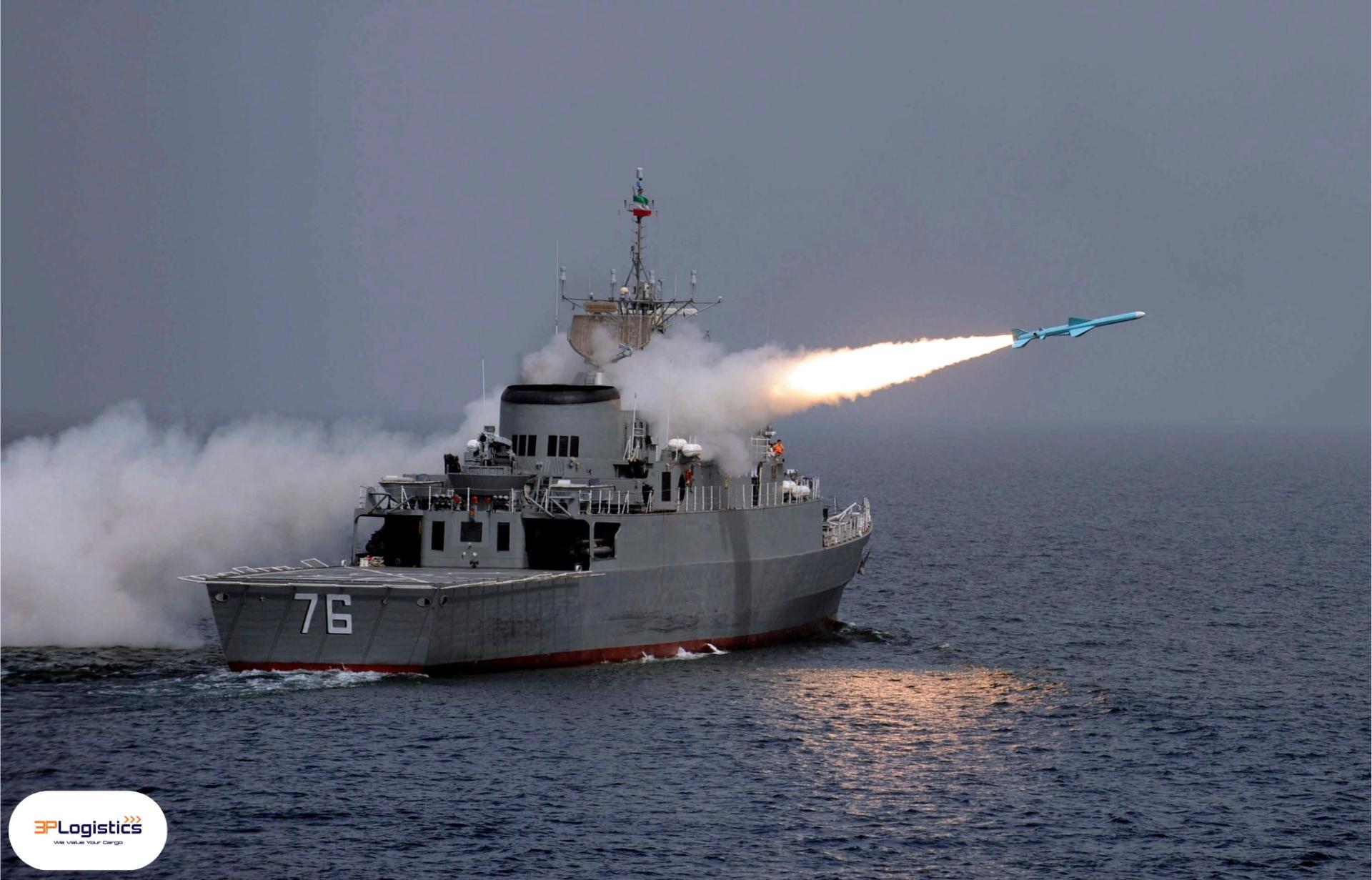

Tensions involving Iran and Western forces are rapidly escalating in the Persian Gulf, creating significant disruptions across global supply chains. The primary hotspot is the Strait of Hormuz — a critical maritime corridor responsible for transporting nearly 20% of the world’s oil supply.
As geopolitical risks intensify, the global logistics industry is facing mounting uncertainty, rising freight costs, and extended transit times. Below is a comprehensive update and strategic guidance for exporters, importers, and logistics planners.
What Is Happening in the Strait of Hormuz?
The Strait of Hormuz connects the Persian Gulf to the Arabian Sea and serves as a strategic energy chokepoint. Due to heightened security threats:
-
Several oil tankers and commercial vessels are limiting or avoiding transit through the Strait.
-
Major global carriers such as Maersk, MSC, and CMA CGM are reassessing Middle East routes and adjusting schedules.
-
War-risk insurance premiums have surged.
-
Rising oil prices are increasing bunker fuel costs worldwide.
These developments are creating a ripple effect across Asia–Europe and transpacific shipping lanes.
Global Logistics Impact
1. Route Diversions and Extended Transit Times
Shipping lines are rerouting vessels to avoid high-risk zones. This may extend transit times between Asia and Europe by 10–20 days, depending on alternative routes.
2. Rising Freight Rates
Spot rates are climbing due to:
-
Increased fuel costs
-
War-risk surcharges
-
Capacity constraints
-
Operational disruptions
Short-term volatility in ocean freight pricing is expected.
3. Risk of Delivery Delays
Schedule disruptions are causing:
-
Port congestion in alternative hubs
-
Blank sailings
-
Localized container shortages
-
Increased lead-time uncertain
Impact on Vietnamese Businesses
For exporters and importers in Vietnam, the consequences are significant:
-
Exports to Europe and the U.S. may face longer transit times and higher bunker adjustment factors (BAF).
-
Imports of raw materials from the Middle East could become more expensive due to rising energy prices.
-
Contract compliance risks may increase if delivery timelines are not adjusted.
Companies with fixed delivery commitments should proactively revise supply chain plans to avoid penalties.
Recommended Logistics Strategies (March 2026)
To mitigate risks during this geopolitical volatility, 3P Logistics recommends:
-
Closely monitor carrier announcements and route updates
-
Book shipments early to secure space and stable pricing
-
Build buffer time into delivery schedules
-
Review surcharge clauses in freight contracts
-
Diversify supply sources where possible
Proactive planning is essential to maintaining supply chain resilience during regional instability.
Outlook: What to Expect Next
If tensions persist or escalate further in the Persian Gulf, the industry may see:
-
Continued oil price volatility
-
Additional war-risk premiums
-
Further rerouting of major trade lanes
-
Sustained upward pressure on freight rates
Businesses should prepare for short- to mid-term instability in global shipping markets.