

In the world of logistics, the Strait of Hormuz has long been considered an irreplaceable "artery." But today, that definition is being shaken by a sharp new concept: Financial Weaponization. As Iran begins to view control over Hormuz as a billion-dollar revenue tool, the global Forwarding industry officially enters a game where the slow-footed will pay with their entire profit margins.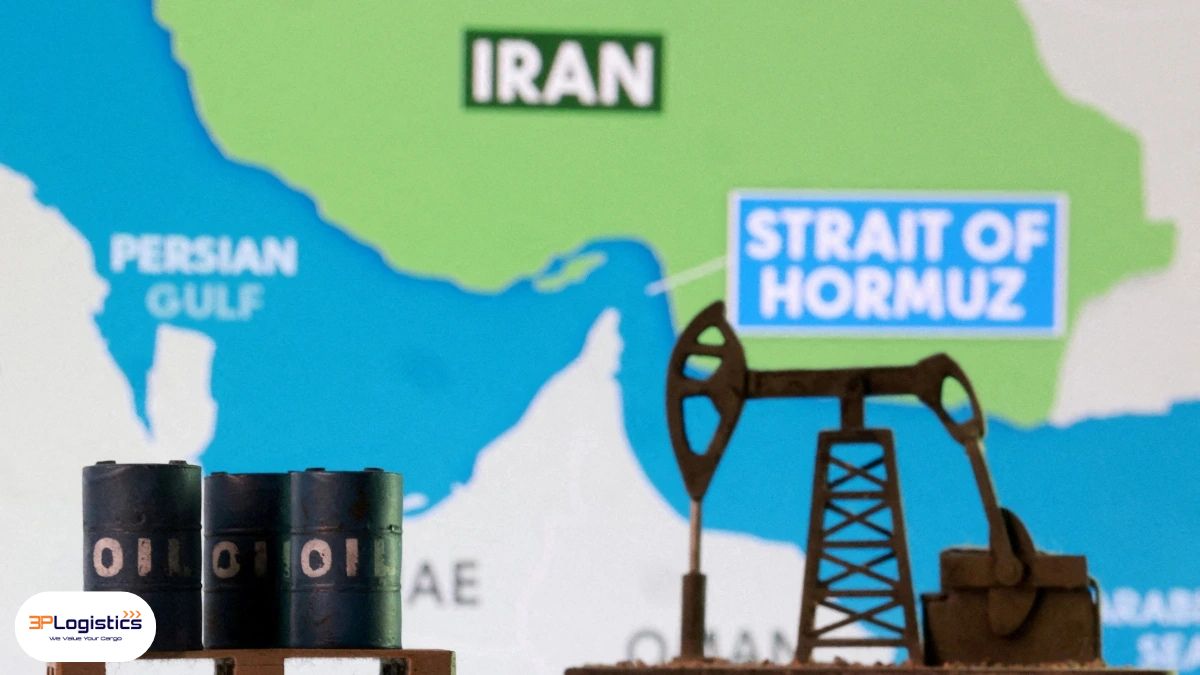
1. The Hormuz "Choke Point": From Military Deterrence to Toll Collection
Historically, Hormuz evoked images of warships and firepower. However, recent developments point to a "softer" yet more devastating tactic: Imposing transit fees on every single container. With 20% of global oil and millions of TEUs flowing through daily, Hormuz is being transformed into a massive offshore "toll station." This is no longer just a Middle Eastern story; it is the fuse for a global surge in sea freight rates.
2. The Forwarder’s Nightmare: When "Grey Zones" Become Expensive
For Forwarding and Logistics firms, this shift isn't just about price hikes—it’s about the collapse of traditional cost-forecasting models.
Surcharge Volatility: War Risk Surcharges (WRS) or Emergency Fuel Surcharges (BAF) can now fluctuate hourly with the news cycle.
Schedule Paralysis: When a vessel is detained or delayed for inspections, the entire supply chain lead time collapses like a row of dominoes.
3. The Forwarder’s Prowess: Bringing Cargo Home or Letting the Waves Take It?
In this financial storm, the role of a professional Forwarder is no longer just "booking a slot" on a ship. It lies in the ability to consult on alternative routes and manage cost risks.
The "Escape" Scenario: Is rerouting around the Cape of Good Hope truly more expensive than paying transit fees at Hormuz? This is the high-stakes calculation logistics experts must solve for clients immediately.
The Risk-Precaution Mindset: The time has come for import-export businesses to shift from "Just-in-Time" to "Just-in-Case." Buffering stock in secure warehouses and meticulously reviewing war-risk insurance clauses are the final barriers protecting corporate assets.
The Strait of Hormuz may tighten, but the flow of trade must find its way. In an era where geopolitics and finance are inextricably linked, sharp intuition, response speed, and coordination prowess are the "passports" for Forwarders to guide their clients through the roughest seas.