
The Growing Importance of Green Logistics
As global trade continues to evolve, sustainability is becoming a key priority for businesses across international supply chains. Beyond transportation costs and delivery timelines, companies are increasingly expected to consider environmental performance, operational efficiency and carbon emissions when making logistics decisions.
In Vietnam, the development of green logistics is gaining momentum as the country strengthens its position in global trade. Improving logistics infrastructure, accelerating digital transformation and adopting environmentally responsible transportation solutions are becoming essential to enhancing the competitiveness of the logistics industry.
According to discussions at the 2026 Autumn Economic Forum in Ho Chi Minh City, green logistics requires more than adopting cleaner vehicles or reducing fuel consumption. It involves connecting infrastructure, technology and data to create a more efficient and sustainable supply chain.
Integrated Infrastructure: The Foundation of Green Logistics
An efficient logistics network depends on seamless connections between manufacturing facilities, warehouses, distribution centers, seaports, airports and border gates.
In Vietnam, improving infrastructure connectivity is particularly important for reducing transportation delays, unnecessary transshipment and operational costs.
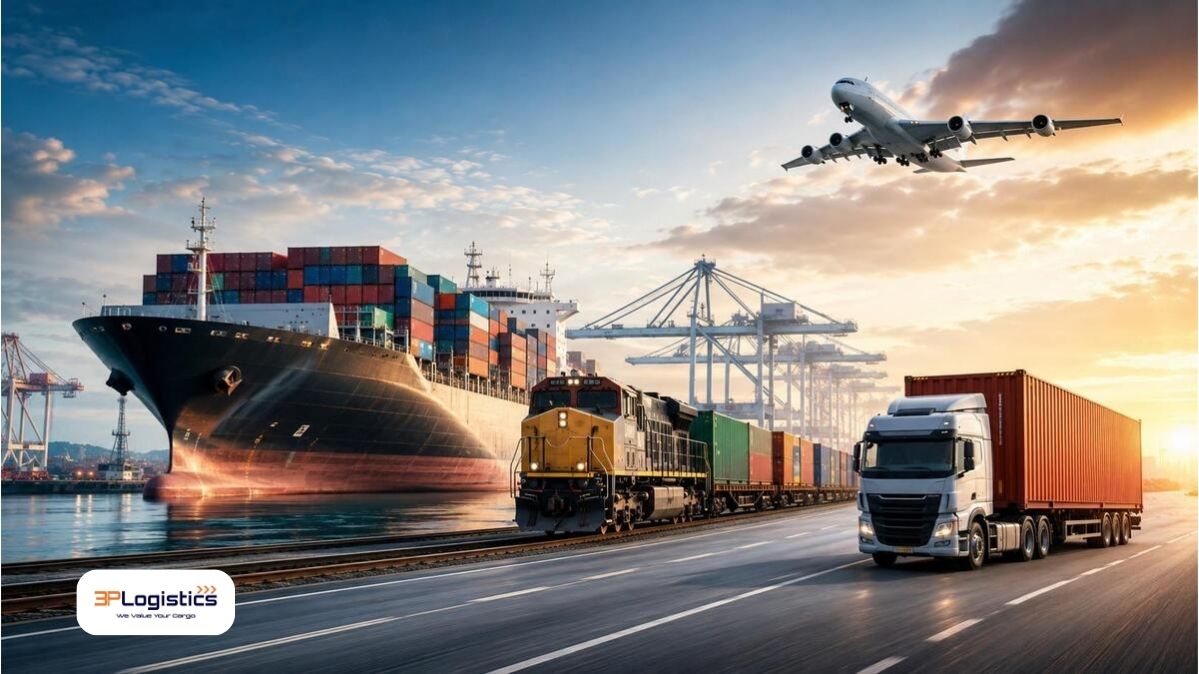
The development of multimodal transportation, combining road, sea, rail and inland waterway transport, offers businesses greater flexibility in selecting suitable shipping solutions.
For example, integrating inland waterway transportation with maritime shipping can help reduce pressure on road networks, particularly for containerized cargo moving between industrial zones and seaports.
In addition, streamlined customs procedures, electronic documentation and improved coordination among logistics stakeholders can minimize waiting times and improve cargo handling efficiency.
For businesses, better infrastructure connectivity means more reliable transportation, improved delivery schedules and greater control over logistics expenses.
Digital Transformation: Connecting Data Across the Supply Chain
Digital connectivity is another essential component of sustainable logistics.
A modern supply chain involves multiple stakeholders, including exporters, importers, freight forwarders, shipping lines, airlines, trucking companies, warehouses and port operators. Without effective information sharing, delays and communication gaps can affect the entire transportation process.
Digital logistics platforms help connect these stakeholders by providing access to important operational information, such as:
- Shipment status and cargo tracking.
- Vessel schedules and estimated arrival times.
- Container availability and transportation arrangements.
- Electronic shipping documents and customs information.
- Transportation costs and operational performance.
Examples of digital transformation in Vietnam's logistics sector include smart port platforms that support online procedures and digital solutions that enable customers to monitor shipments and evaluate transportation alternatives.
Beyond improving visibility, integrated data systems allow logistics providers to identify inefficiencies, optimize transportation routes and coordinate cargo movements more effectively.
As a result, digitalization contributes not only to operational efficiency but also to reducing unnecessary resource consumption throughout the supply chain.
Decarbonizing Transportation Through Smarter Logistics Solutions
Transportation is a major contributor to logistics-related greenhouse gas emissions. Therefore, reducing the environmental impact of freight movement is an important step toward building sustainable supply chains.
Businesses can gradually adopt practical solutions to improve transportation efficiency and reduce emissions.
Route Optimization
Planning efficient transportation routes helps reduce unnecessary mileage, fuel consumption and delivery time. Better coordination between pickup and delivery schedules can also minimize operational disruptions.
Multimodal Transportation
Combining different transportation modes allows businesses to select more suitable shipping options based on cargo characteristics, delivery requirements, cost and environmental considerations.
Load Consolidation
Consolidating shipments and improving vehicle utilization can reduce empty trips and the number of transportation movements required to deliver goods.
Energy-Efficient Warehousing
Using energy-efficient equipment, improving warehouse lighting and optimizing temperature-controlled storage systems can help reduce energy consumption.
Carbon Emission Monitoring
Monitoring transportation-related emissions provides businesses with better visibility into their environmental impact and supports sustainability reporting.
One important concept in this area is Scope 3 emissions, which include indirect greenhouse gas emissions occurring throughout a company's value chain, including transportation and distribution activities.
As sustainability requirements become more prominent in international trade, logistics providers that can support transparent emissions data and efficient transportation planning may gain a stronger competitive advantage.
Opportunities and Challenges for Vietnam's Logistics Industry
Vietnam has significant opportunities to develop its green logistics capabilities as international businesses increasingly prioritize sustainable supply chains.
The country's growing manufacturing base, expanding export activities and strategic position in regional trade networks create demand for more integrated and environmentally responsible logistics services.
However, the transition also presents several challenges:
- Infrastructure limitations: Inconsistent connectivity between transportation networks can increase transit times and operating costs.
- High investment requirements: Adopting cleaner vehicles, modern warehouse systems and digital platforms requires substantial capital.
- Data standardization: Different systems and information formats can make data exchange between logistics stakeholders difficult.
- Carbon measurement: Businesses may face difficulties collecting accurate emissions data across multiple transportation providers.
- SME readiness: Small and medium-sized enterprises may lack the financial and technical resources needed to implement comprehensive green logistics strategies.
Addressing these challenges requires cooperation between government authorities, infrastructure operators, technology providers and logistics companies.
Rather than pursuing large-scale investments immediately, businesses can begin with practical improvements such as optimizing transportation schedules, digitizing documentation, reducing empty trips and monitoring fuel consumption.
These incremental changes can create measurable operational benefits while supporting long-term sustainability objectives.
The Role of Freight Forwarders in Sustainable Supply Chains
As global supply chains become more complex, freight forwarders play an increasingly important role in connecting transportation providers, coordinating shipments and helping businesses manage international cargo movements.
Their contribution to green logistics extends beyond arranging transportation. By understanding cargo requirements and coordinating different logistics services, freight forwarders can help customers make more informed supply chain decisions.
Key areas of contribution include:
- Transportation planning: Evaluating suitable sea freight, air freight and inland transportation options based on shipment requirements.
- Shipment coordination: Working with carriers and transportation partners to improve scheduling and cargo movement efficiency.
- Supply chain visibility: Supporting timely information exchange and shipment tracking throughout the transportation process.
- Logistics optimization: Identifying opportunities to consolidate cargo, improve routing and reduce unnecessary transportation activities.
For exporters and importers, working with a logistics partner that understands these priorities can support better cost management, operational reliability and long-term supply chain development.
Moving Towards a More Sustainable Logistics Future with 3P Logistics
At 3P Logistics, we recognize that efficient transportation and reliable supply chain coordination are essential to supporting international trade.
As the logistics industry continues to evolve, businesses need transportation solutions that balance delivery requirements, operational costs and changing supply chain expectations.
Through our international freight forwarding services, including Sea Freight, Air Freight and Inland Transportation, 3P Logistics supports businesses in coordinating cargo movements and managing their transportation needs.
We believe that stronger connectivity, effective coordination and continuous operational improvement are important foundations for building more efficient supply chains.
As Vietnam advances towards greener logistics, collaboration among shippers, freight forwarders, carriers and other supply chain partners will remain essential to creating sustainable value for businesses and the wider economy.
Green logistics is no longer simply an environmental initiative. It is becoming an important factor in the competitiveness and resilience of modern supply chains.
By integrating infrastructure, digital technology and more efficient transportation practices, Vietnam's logistics industry can improve operational performance while responding to growing sustainability expectations in global trade.
For businesses involved in international trade, choosing efficient transportation solutions and working with reliable logistics partners are important steps towards a more sustainable supply chain.