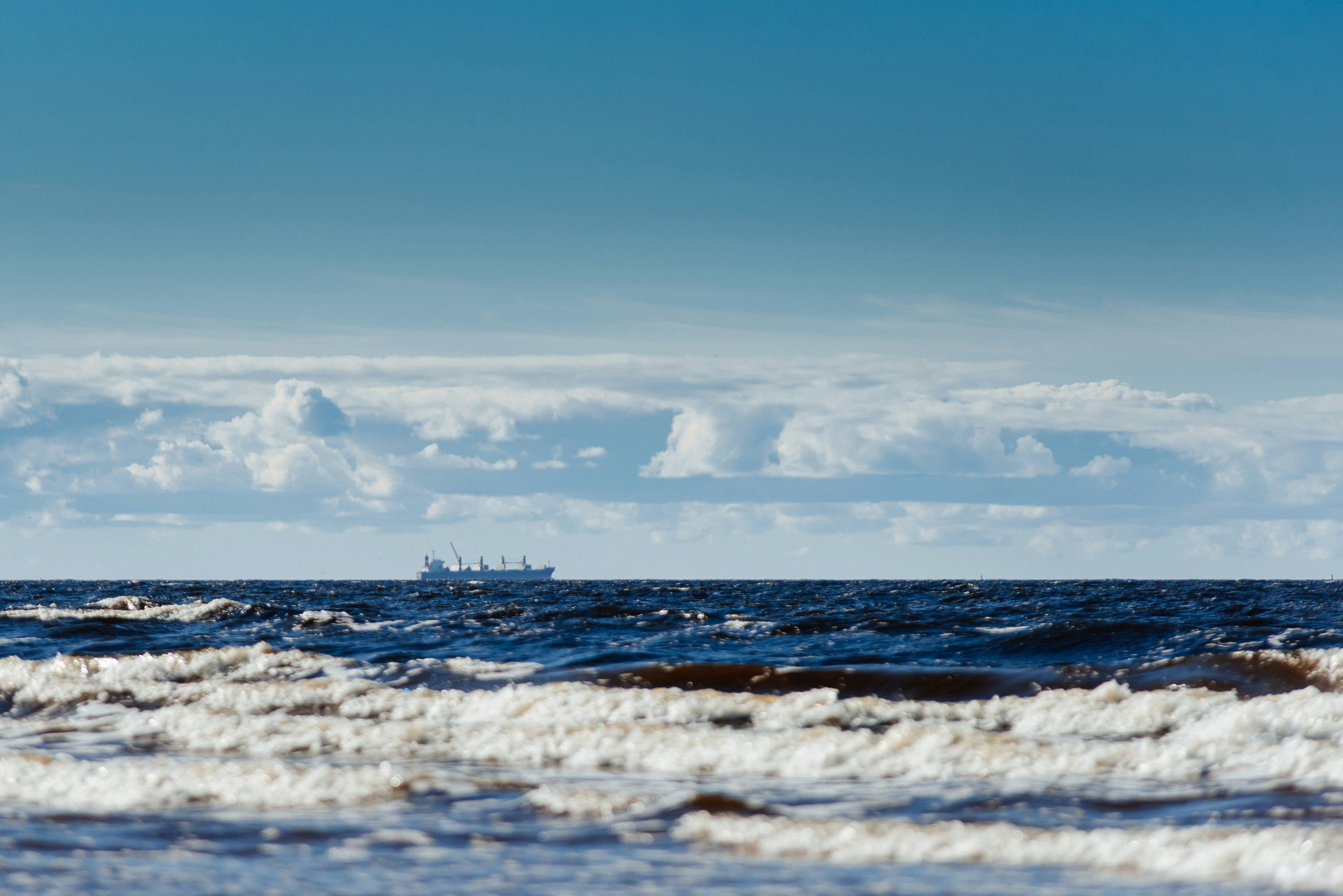
The surge of Foreign Direct Investment (FDI) into Vietnam is moving at an unprecedented pace, reshaping the entire manufacturing landscape. Along with this golden opportunity comes immense pressure: The logistics industry must reinvent itself, entering a fierce race to build "Resilience" against the unpredictable fluctuations of global supply chains.
1. The "Heat" of FDI and New Infrastructure Demands
The shift of multinational supply chains to Vietnam is no longer a trend; it is a vivid reality. From electronics and textiles to heavy industries, shipping requirements go beyond moving "cargo from point A to point B." FDI enterprises demand a smart logistics ecosystem, deep technological integration, and, above all, the capacity to withstand market shocks.
2. The Race for "Resilience" – A Vital Keyword
Resilience is more than just durability; it is the capacity to adapt quickly when supply chains are disrupted. For Forwarding units, this is the time to prove their mettle through three pillars:
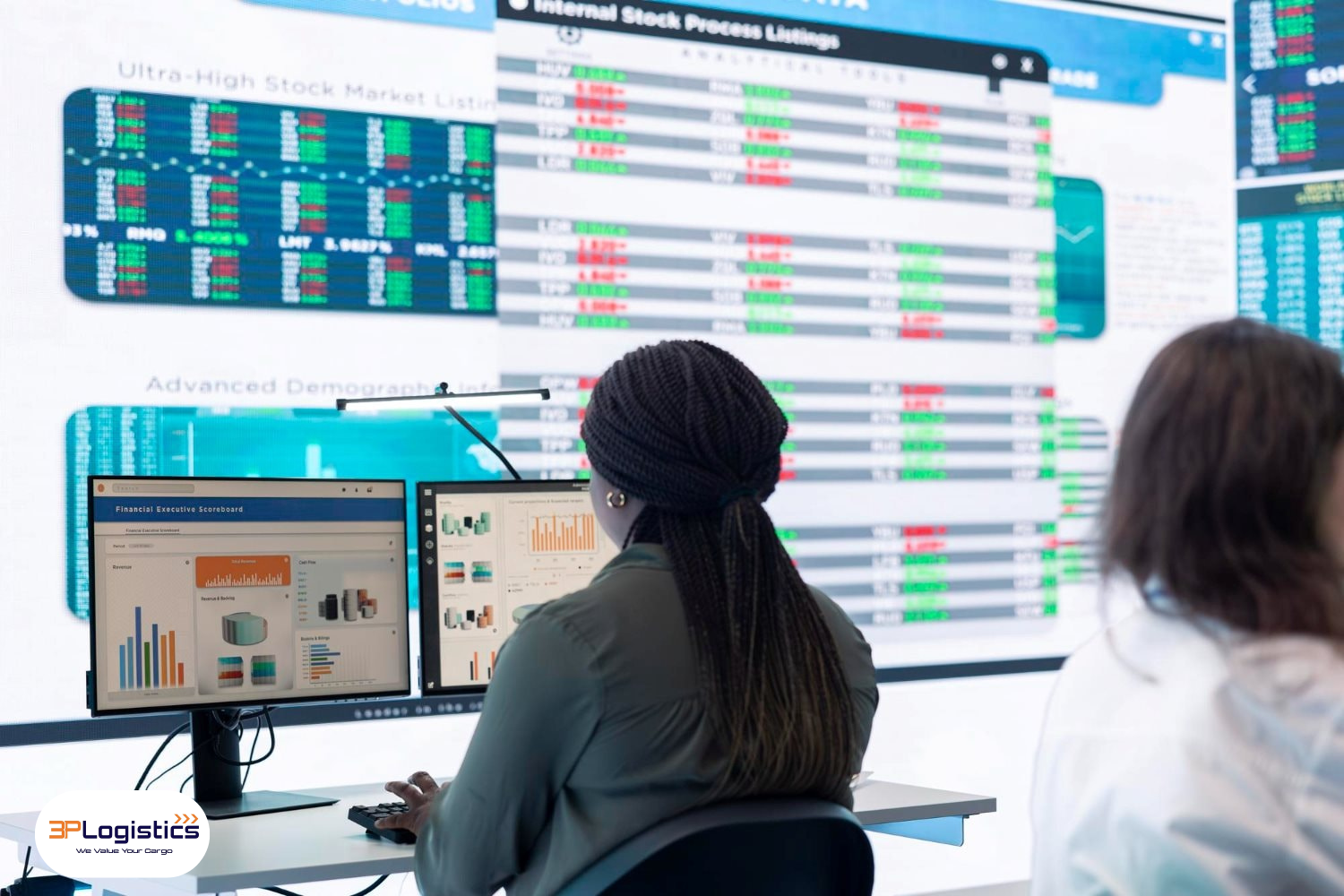
Supply Chain Digitalization: Implementing AI and Big Data for demand forecasting and real-time tracking allows logistics firms to react promptly to geopolitical events or port congestion.
Smart Warehousing: The FDI boom requires international-standard warehousing, from cold storage for agriculture to bonded warehouses integrated with automated management systems.
Green Logistics: FDI investors today highly value ESG (Environmental, Social, and Governance) indicators. Logistics providers pioneering carbon emission reduction will hold an absolute advantage in international shipping tenders.
3. Challenges for Domestic Forwarders: Evolve or Be Left Behind?
While the market is expanding, the "best slice of the cake" often goes to those with superior risk management. Vietnamese Forwarding companies need to:
Proactively diversify transport modes: Beyond sea freight, flexibly combining road, air, and cross-border rail creates a "shield" for cargo against localized bottlenecks.
Consulting solutions instead of selling services: A modern Forwarder must be a "supply chain architect," helping clients design optimal routes and contingency scenarios for risks such as conflict, pandemics, or fuel price volatility.
The FDI wave is ushering in a new era for Vietnam's logistics industry. Businesses that leverage technology to build robust resilience will not only survive fluctuations but also rise to become vital links in the global value chain.